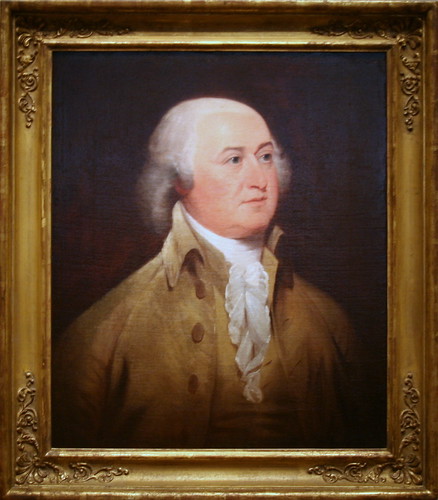
One of my favorite criminal defense lawyers is John Adams. On this 4th of July weekend, I think it is appropriate to remember what great men the founding fathers were.
John Adams was practicing law near boston when the "Boston Massacre" happened. The Lynn Ranch blog sets the scene:
"On March 5, 1770, six years before the formal break from England, an unruly mob gathered in front of Boston's Customs House. After pelting British troops with snowballs and rocks, the crowd surged forward; the troops fired into the mob, killing five people. From the colonial viewpoint, this was the 'Boston Massacre.' As far as the British were concerned, it was a riot. Both views are credible."
12 of the soldiers were charged with murder. The court could not find a lawyer who would defend the soldiers. The case was deeply unpopular. Adams, who had political aspirations, believed that if he took the case, his reputation would be permanently damaged. But he thought it was more important that the men get a fair trial than for him to be able to run for office.
"Under Adams' skillful defense, six of the soldiers were acquitted. Two who had fired directly into the crowd were charged with murder, but were convicted only of manslaughter. Adams was paid eighteen guineas by the British soldiers, or about the cost of a pair of shoes. Beyond the fee, Adams wanted to prove to the world that American justice was balanced and fair."
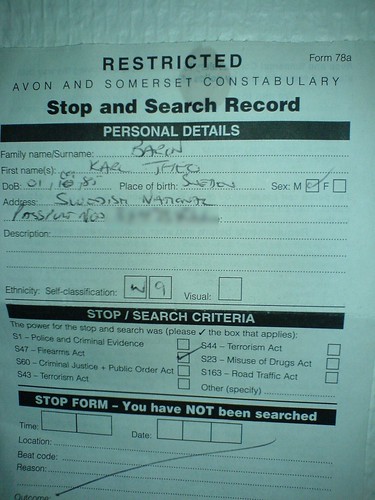
People frequently ask me, "How can you be a criminal defense lawyer? How can you defend guilty people?" I like to think that in my small way, I am following in John Adams footsteps. Like him, I believe that our justice system requires skillful advocates on both sides. I can't change the facts of my clients' cases, but I can make sure that they don't get convicted of a crime unless the prosecutors do their job.
As we celebrate our country's independence, I am grateful that we live in a land where we are governed by the rule of law. I am grateful that John Adams and the other architects of the Constitution built a procedure that protects the innocent as well as the guilty.